
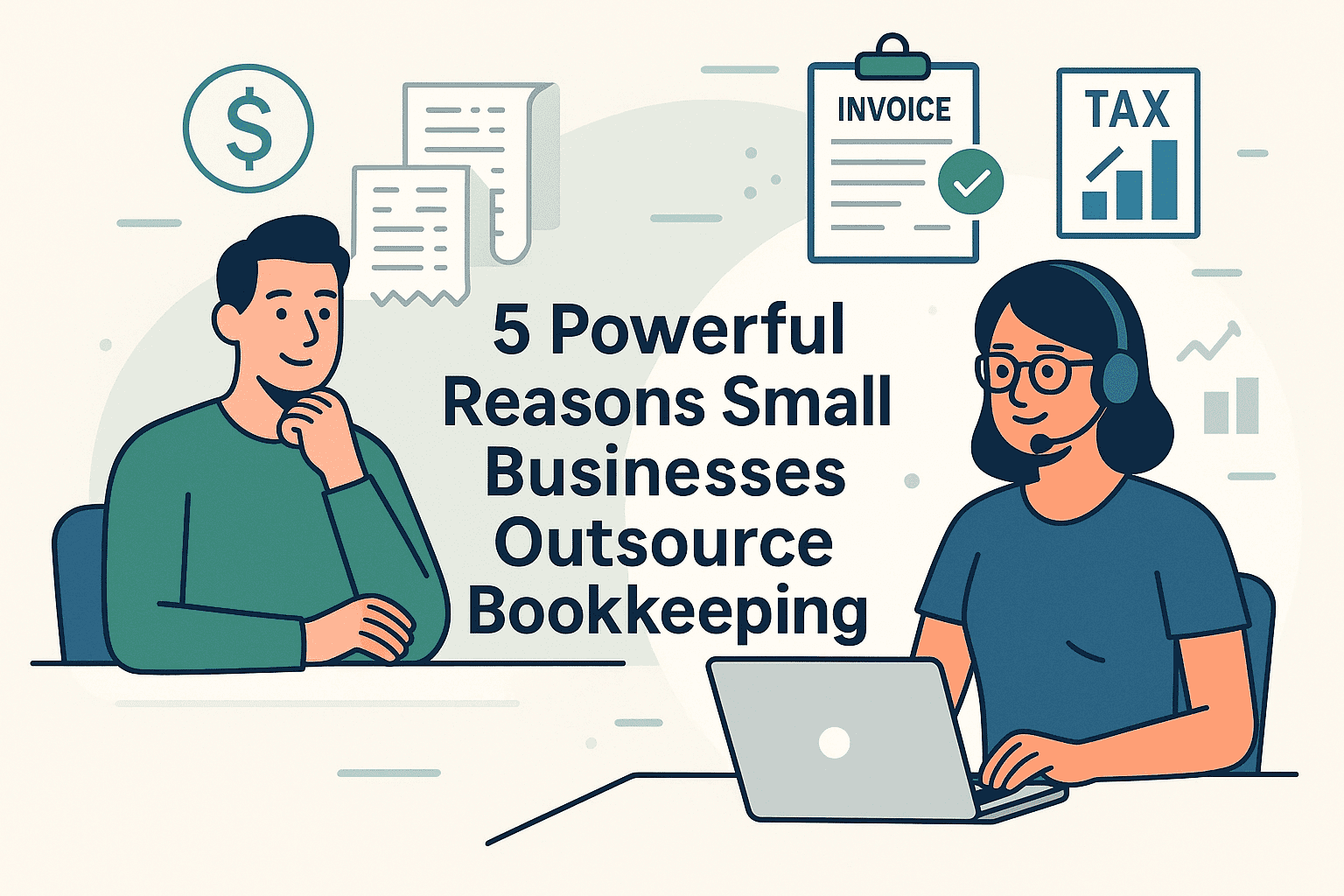
Introduction – The Small Business Bookkeeping Struggle
For many small business owners, bookkeeping is one of the most stressful parts of running a business. From tracking expenses and sending invoices to reconciling accounts, bookkeeping can feel overwhelming — especially if you’re not a financial expert Outsource Bookkeeping.
Yet bookkeeping is essential. Without it, cash flow problems, tax issues, and financial mistakes can quickly pile up. But here’s the good news: you don’t have to do it alone. Outsourcing your bookkeeping to a virtual bookkeeper can save you time, money, and stress — while ensuring your numbers stay accurate.
What Is Outsource Bookkeeping?
Outsourced bookkeeping means handing over your financial record-keeping tasks to a professional who works remotely. Instead of hiring an in-house bookkeeper, you gain access to skilled support at a fraction of the cost.
A virtual bookkeeper uses cloud-based accounting software (like Xero, QuickBooks, or MYOB) to manage your accounts, invoices, payroll, and reports — all without being in your office.
5 Powerful Reasons to Outsource Bookkeeping
1. Save Time and Reduce Stress
Small business owners wear many hats, but bookkeeping shouldn’t be one of them. By outsourcing, you can reclaim hours each week to focus on clients, sales, and strategy.
Example: One business owner who delegated bookkeeping reported saving 10+ hours per month — time they now use to grow revenue.
2. Cost Savings Compared to Hiring In-House
Hiring an employee comes with salaries, benefits, and overhead costs. A virtual bookkeeper gives you professional financial support only when you need it, which is far more affordable.
Statistic: Outsourcing bookkeeping can reduce costs by up to 40% compared to hiring in-house.
3. Access to Expertise
Virtual bookkeepers are often highly skilled professionals who understand tax rules, compliance, and accounting best practices. This expertise means fewer mistakes and greater peace of mind.
4. Improved Accuracy and Reporting
Errors in bookkeeping can lead to cash flow problems or penalties. A dedicated virtual bookkeeper ensures your numbers are accurate and reports are delivered on time.
Common reports you can receive:
-
Profit and loss statements
-
Balance sheets
-
Cash flow reports
-
Tax-ready financial summaries
5. Scalability and Flexibility
Whether you need help for just a few hours a week or more during tax season, outsourcing bookkeeping gives you the flexibility to scale up or down depending on your needs.
What Tasks Can a Virtual Bookkeeper Handle?
-
Recording financial transactions
-
Reconciling bank accounts
-
Sending invoices and chasing payments
-
Managing payroll
-
Tracking expenses
-
Preparing monthly financial reports
-
Tax preparation support
This allows small business owners to stay compliant without being bogged down by paperwork.
Benefits Beyond the Numbers
Outsourcing bookkeeping does more than balance your accounts. It also:
-
Frees up your energy to focus on growth.
-
Reduces the risk of burnout.
-
Provides peace of mind knowing finances are managed by an expert.
How to Outsource Bookkeeping Successfully
Step 1: Identify Your Needs
Decide what tasks you want to delegate — invoicing, payroll, reporting, or all of the above.
Step 2: Choose the Right Provider
Work with a trusted provider like WorkMate Pro that connects you with vetted, trained virtual bookkeepers who understand small business needs.
Step 3: Use Cloud-Based Tools
Cloud software like Xero or QuickBooks makes collaboration seamless. You and your bookkeeper can access real-time financial data from anywhere.
Step 4: Communicate Clearly
Set clear expectations, deadlines, and reporting formats so your virtual bookkeeper knows exactly what you need.
Real-Life Example – How Outsourcing Changed a Business
A café owner partnered with a virtual bookkeeper from WorkMate Pro. Within three months, their accounts were up-to-date, expenses tracked, and cash flow reports prepared. The owner saved over 15 hours a month and used that time to focus on marketing and customer service — resulting in a 20% increase in sales.
Conclusion – The Smart Move for Small Businesses
Bookkeeping is essential, but it doesn’t need to drain your time or energy. By outsourcing to a virtual bookkeeper, you can reduce costs, improve accuracy, and free yourself to focus on what matters most — growing your business.
💡 Ready to simplify your finances?
WorkMate Pro connects small businesses with skilled, reliable virtual bookkeepers who keep your numbers in order while you focus on growth.
Follow our Socials:
Frequently Asked Questions About Outsourcing Bookkeeping
Is it worth outsourcing bookkeeping for a small business?
For most small businesses spending several hours a week on bookkeeping, outsourcing pays for itself — you free up owner time and reduce the risk of costly reconciliation errors, often for less than the cost of a part-time local hire.
What bookkeeping tasks can be outsourced?
Accounts payable and receivable, bank reconciliations, payroll processing, BAS preparation support, and monthly reporting are all commonly outsourced.
How much does it cost to outsource bookkeeping vs hiring locally?
An offshore bookkeeper through WorkMate Pro typically costs significantly less than a local bookkeeper, while still working full-time within your business hours.